
New Build

The Future of Healthcare Delivery Is Being Built Outside the Hospital, and the Hospital Knows It
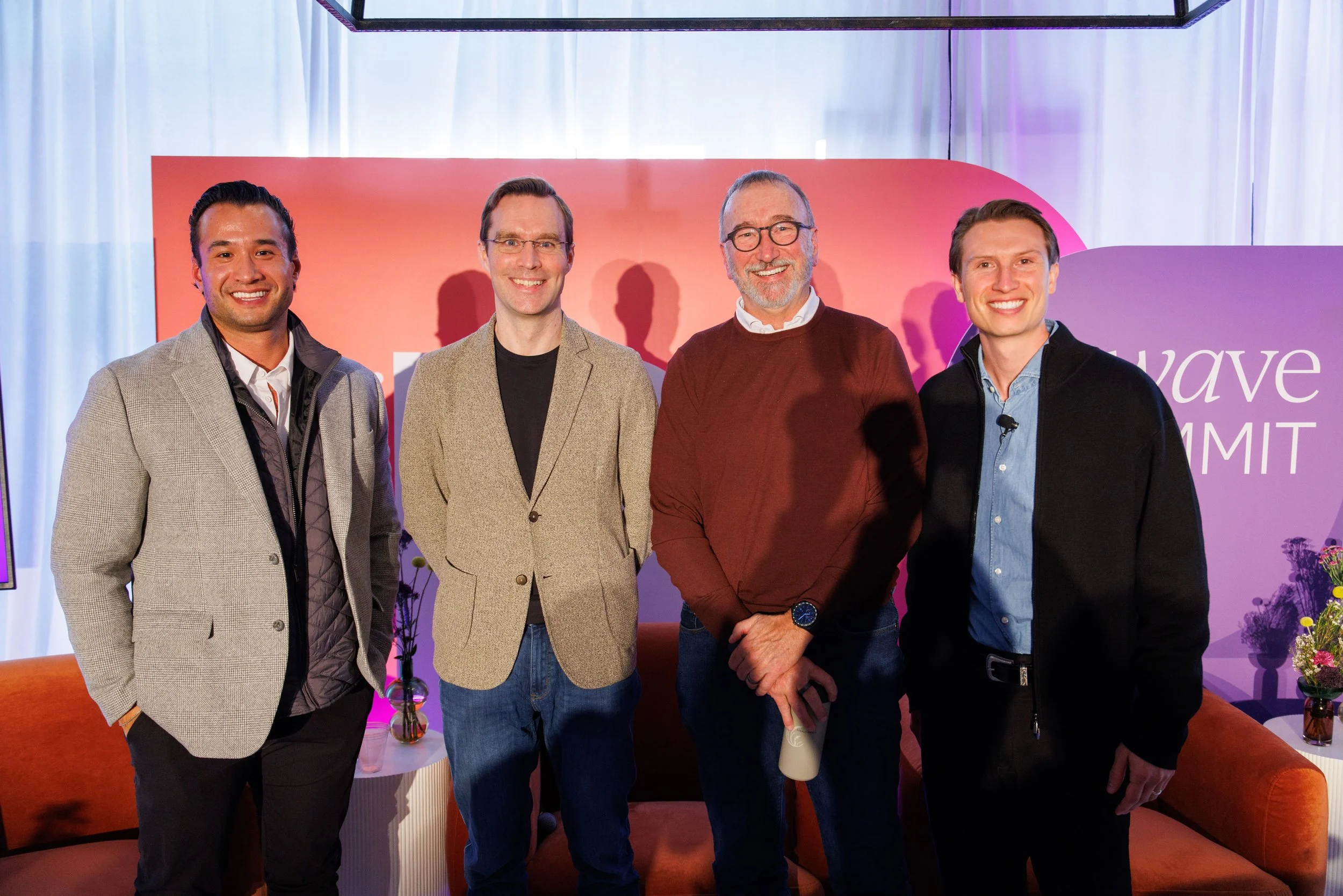
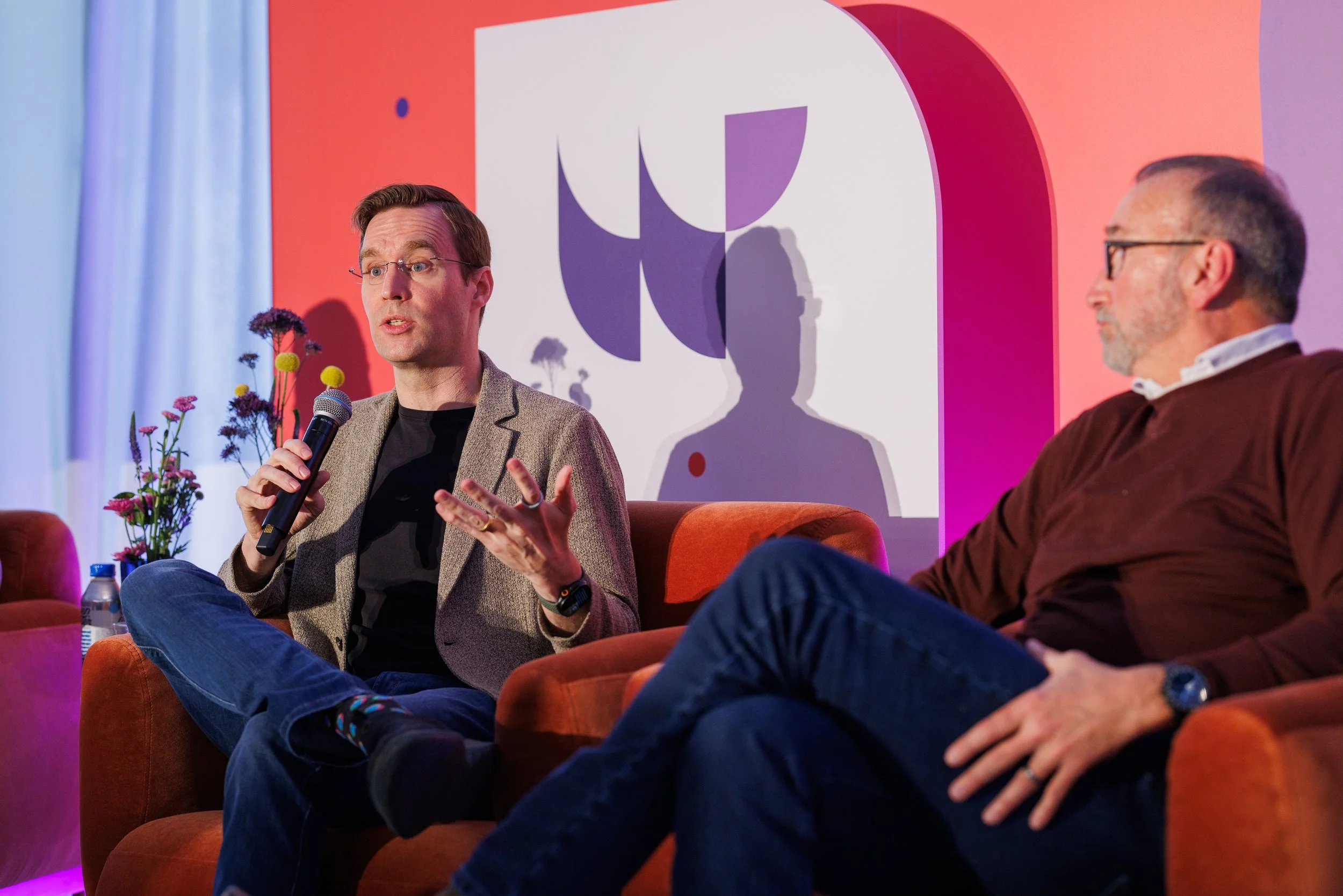
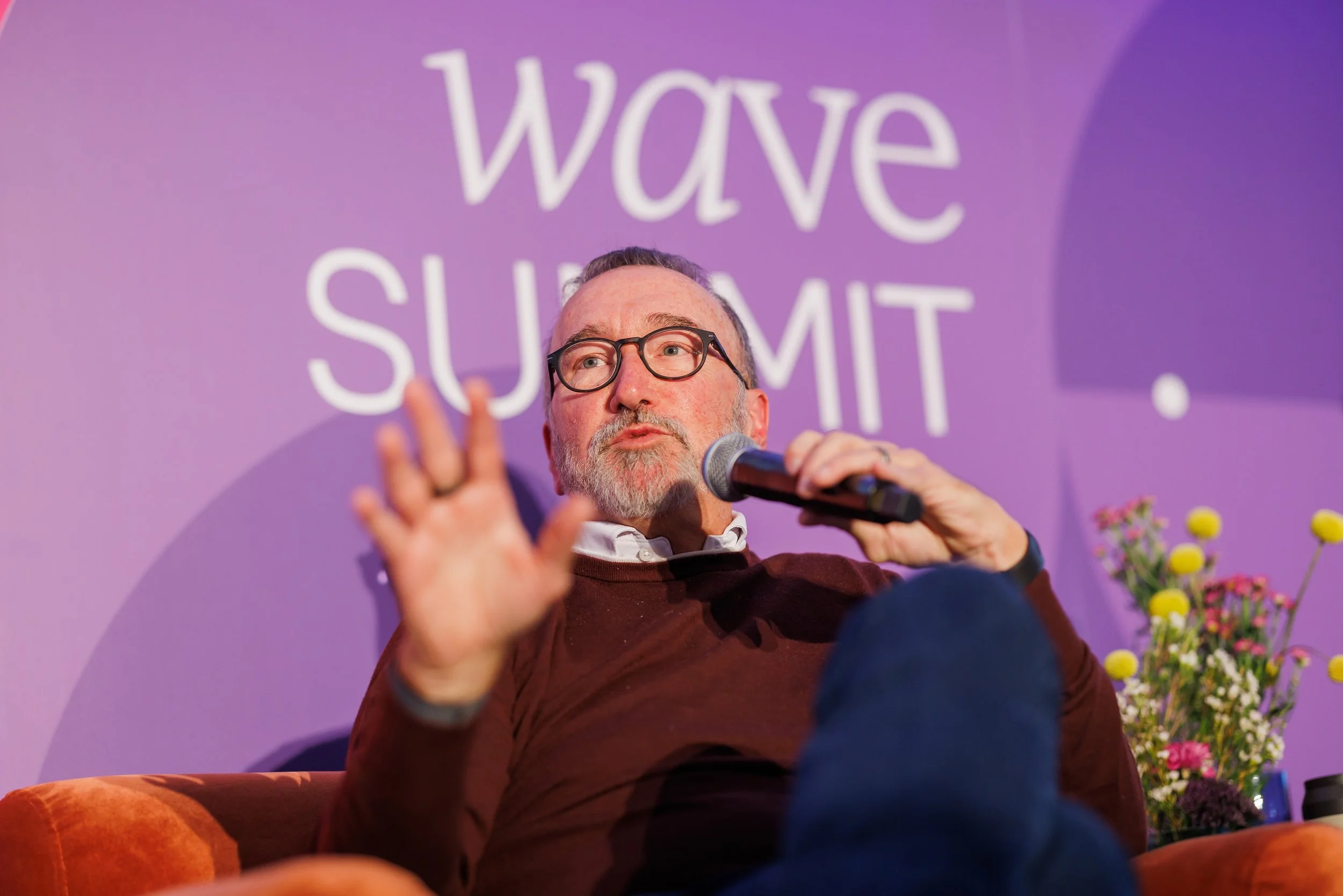
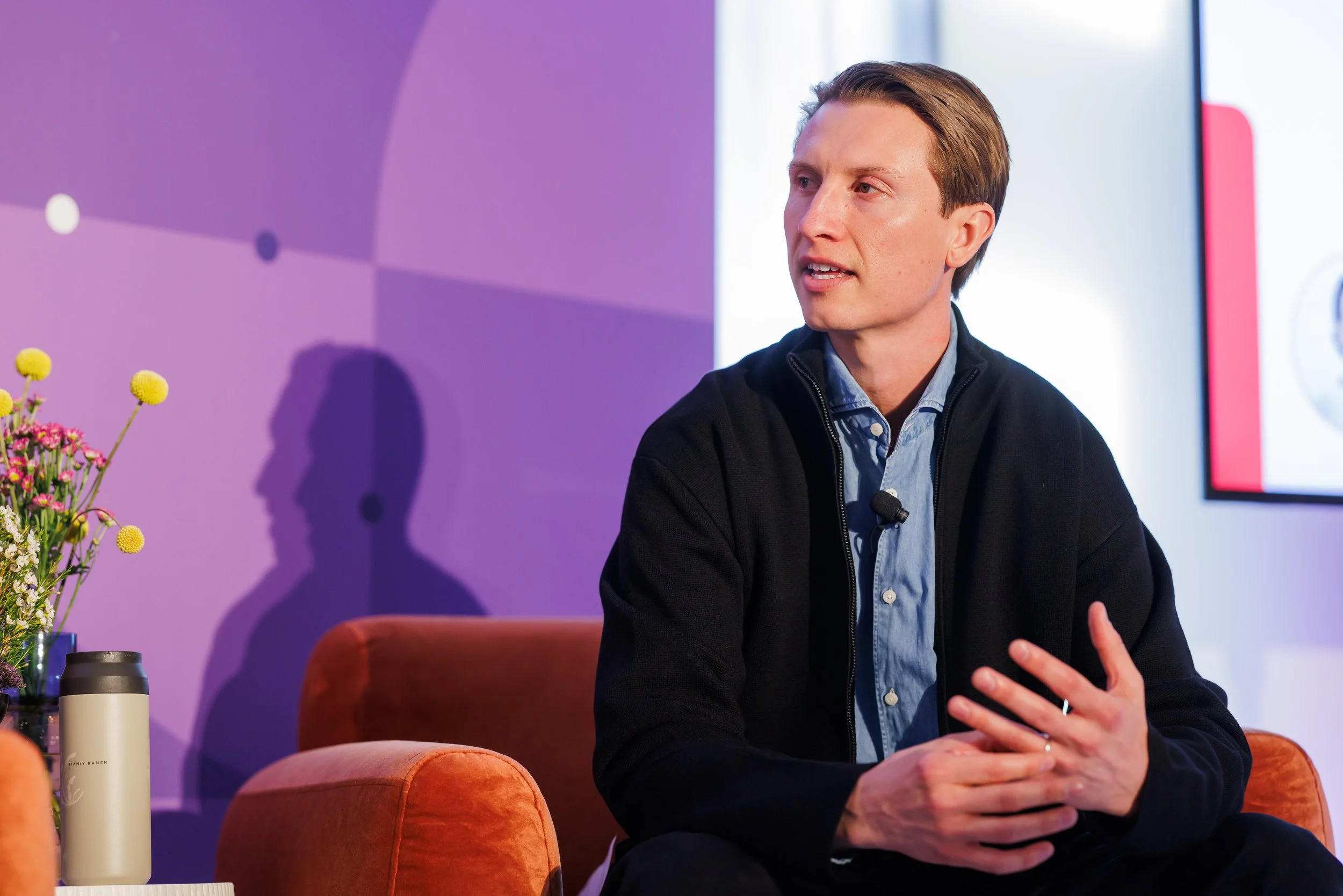
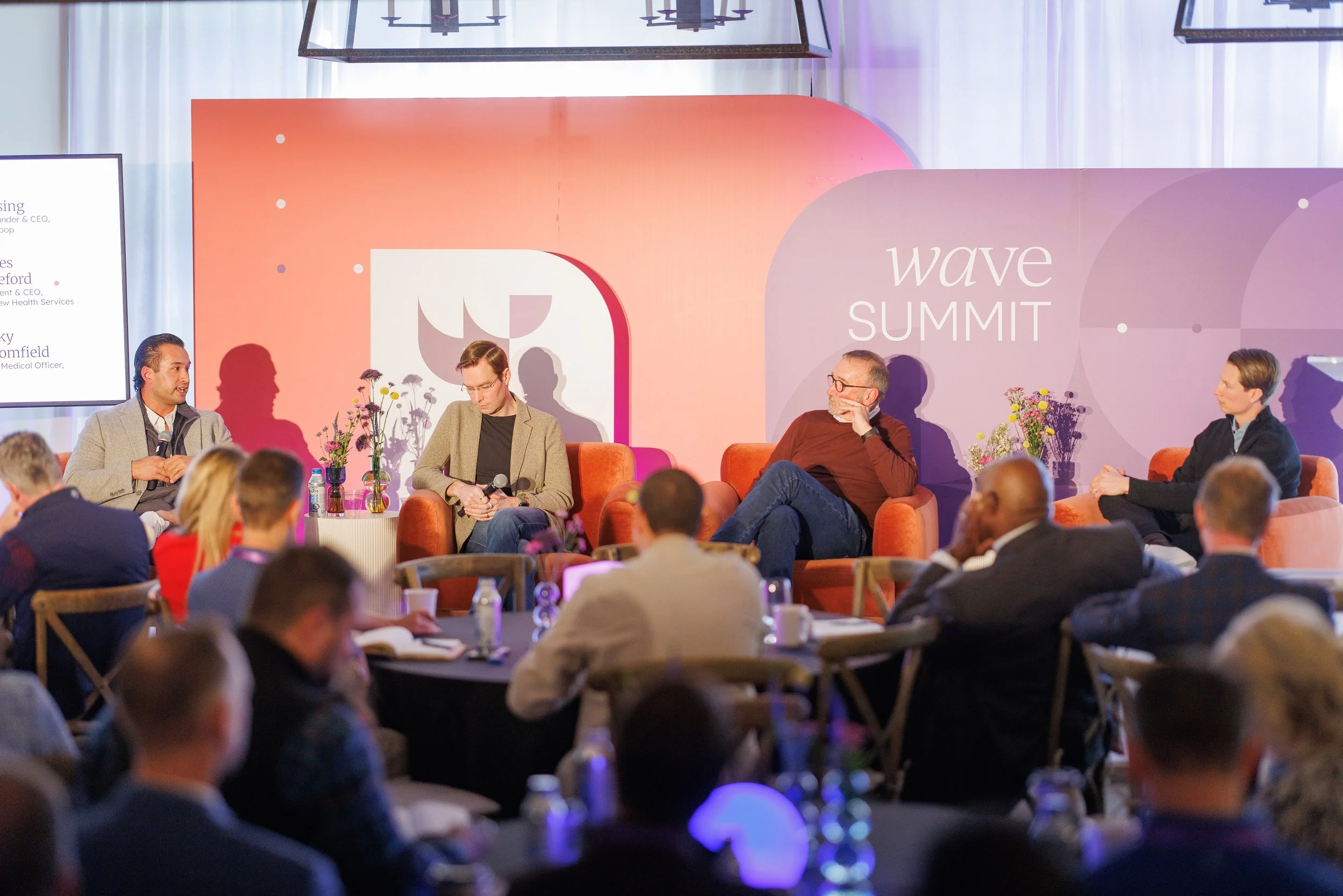
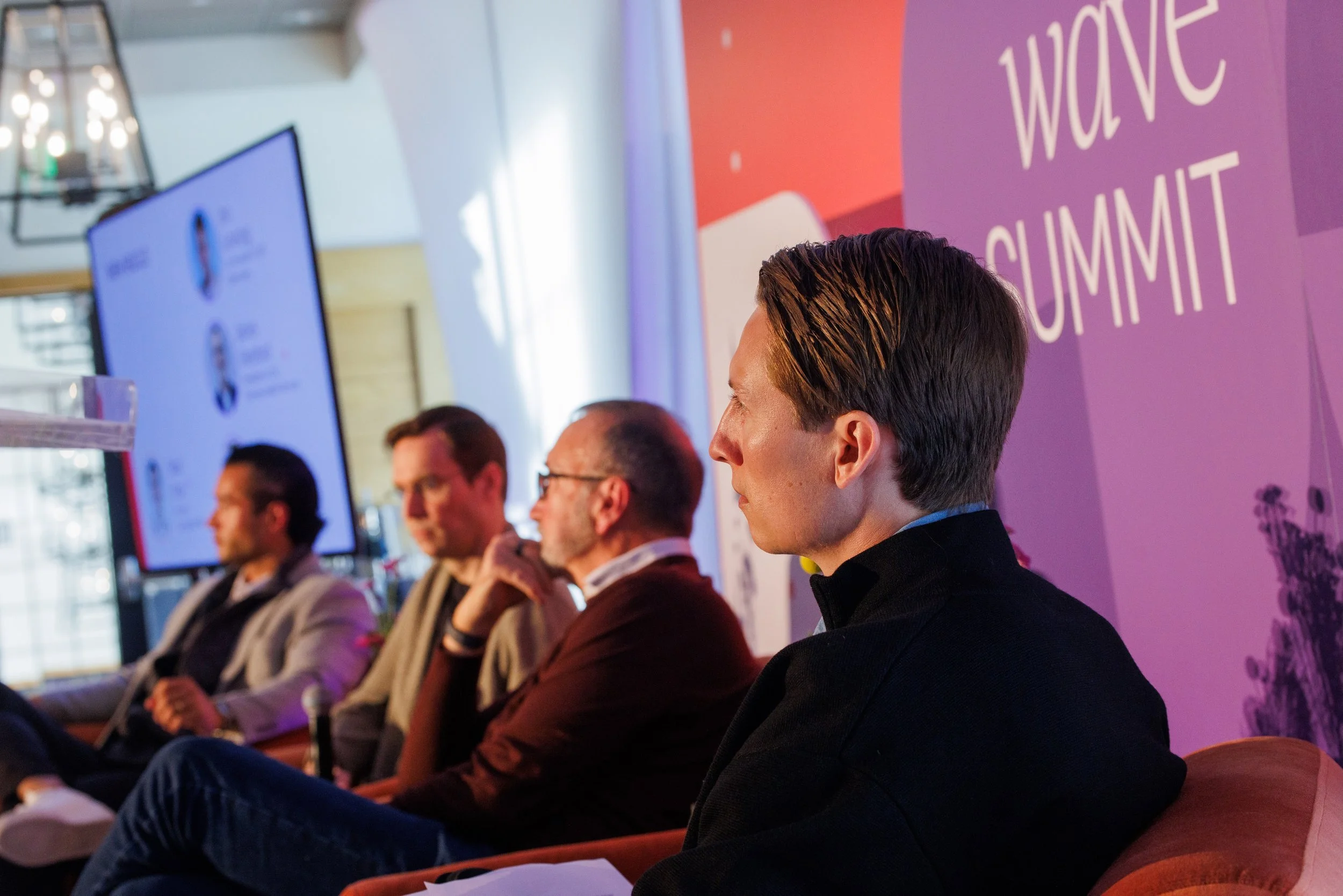
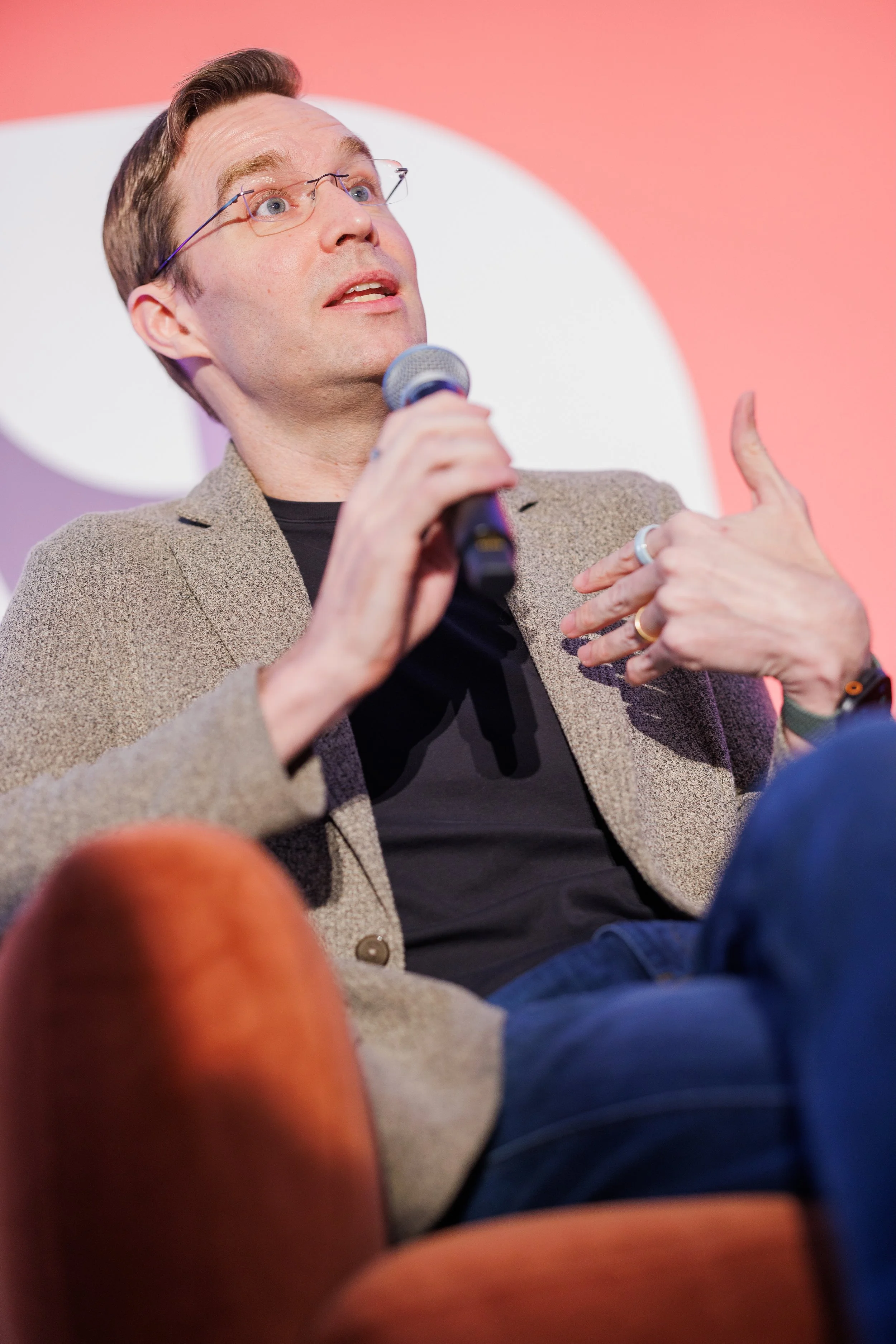
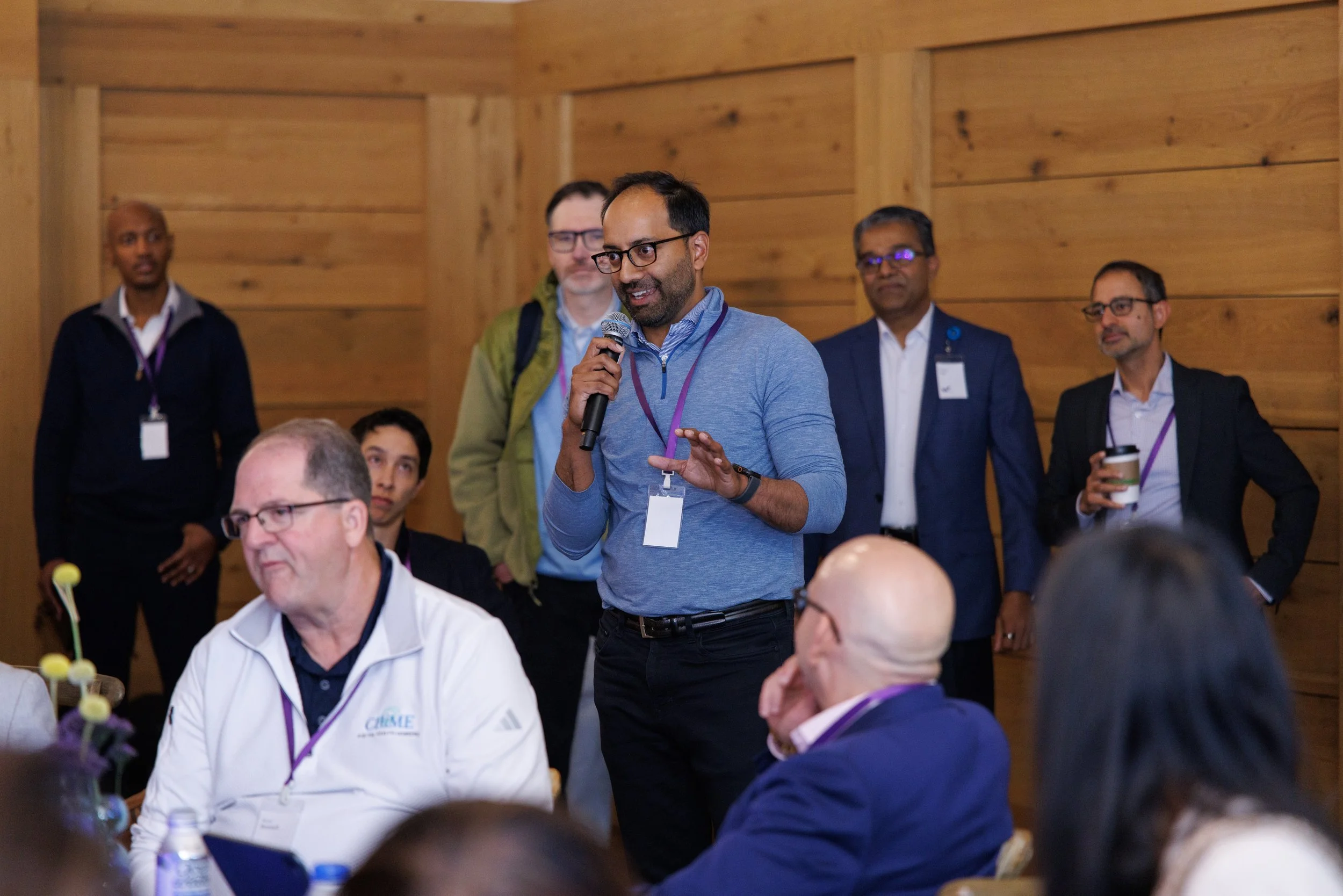
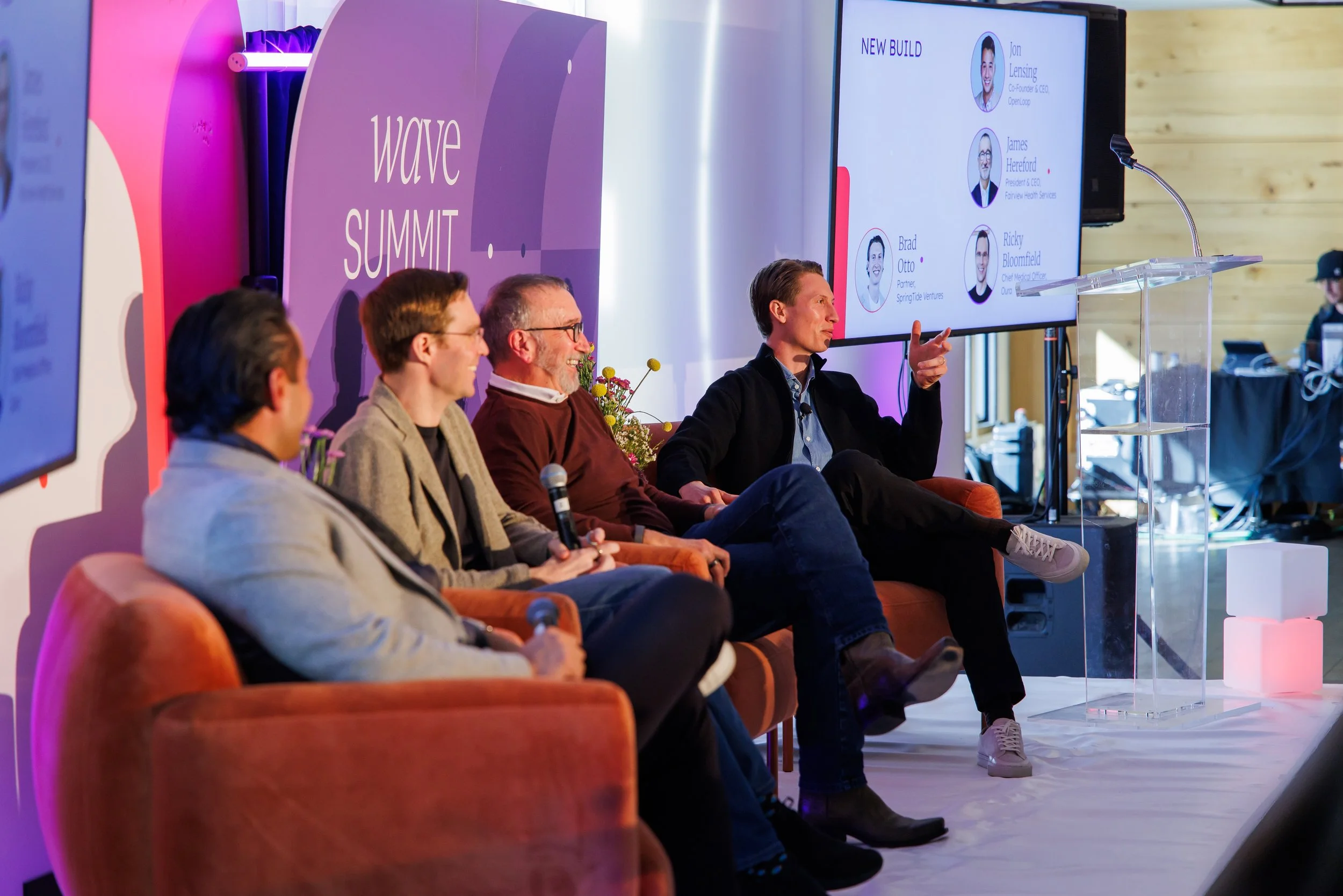
Moderated by Brad Otto, the panel brought together three leaders from very different corners of healthcare. James Hereford, President and CEO of Fairview Health Services, runs a $9B system with 13 hospitals, more than 5,000 physicians, and about 32 million encounters a year across 1.3 million patients. Dr. Ricky Bloomfield, CMO of Oura, oversees clinical strategy for a wearable with more than 5.5 million rings sold, 72% of them to women. Jon Lensing, co-founder and CEO of OpenLoop, leads a virtual care operating system that serves roughly 1 million patients a month and supports more than $2B in revenue. Voices from Mayo Clinic, Cadence, Primera, and Blue Cross Blue Shield added to the discussion from the audience.
1. Your Doctor Sees You for 30 Seconds a Year. Your Ring Sees You 23.5 Hours a Day
The stethoscope era is ending, and the hospital's monopoly on seeing inside patients is ending with it.
Ricky Bloomfield's opening comparison was the most quotable line of the day, and also the most unsettling for traditional medicine. For more than a century, clinical insight has depended on brief physical contact: a stethoscope pressed to the chest for a few seconds during a visit that happens once or twice a year. A wearable collects signals almost all day, every day. Measured purely by visibility, the doctor's office is now the least-informed place in a patient's life.
His story made the point concrete. An Oura employee living with multiple myeloma felt wrong after a procedure. Her clinicians checked her blood pressure, found it normal, and moved toward discharge. Her ring disagreed. She was developing sepsis. The data from her finger caught what the hospital's snapshot missed, and it kept her in the building.
This is the part that should make health systems uncomfortable. The traditional model assumes the clinician holds the most complete picture of the patient. Continuous monitoring flips that. The patient, and the company that makes the device, may soon know more about a person's physiology between visits than any care team does. The question stops being whether clinicians will use this data and becomes whether they will be the ones interpreting it at all.
2. Healthcare Isn't Broken by Disease. It's Broken by Inconvenience
Jon Lensing's thesis: the system's biggest failure is logistics, not medicine.
Lensing made a claim that sounds almost too simple: most of healthcare's problems come down to inconvenience. The science works. The drugs work. What fails is the process of getting a person to the care they need, at a time and place that fits their life.
Legacy institutions were designed around the providers inside them, not the patients outside. Hospitals concentrate expertise in one building so clinicians don't waste time traveling. Hereford acknowledged that logic. But the patient absorbs the cost of that efficiency: the drive, the parking, the waiting room, the time off work, the three-week wait for an appointment.
Lensing's answer is to decentralize. People spend their lives at home, at work, at the store, at the gym, and on their phones. Care should live there too. He sees a future that is decentralized, democratized, and built on the flood of passive data people already produce.
3. Patients Are Quietly Firing Their Insurance
The cash-pay surge is not about money. It's a vote of no confidence.
Both Bloomfield and Lensing pointed to a trend that should alarm every payer and health system: more patients are paying out of pocket, even when they have coverage. Premiums have outpaced inflation for years. Access remains frustrating. And a growing share of consumers have decided the traditional system is not worth the friction.
This is counterintuitive. The conventional wisdom is that people avoid cash-pay care because it is expensive. What the panel described is the opposite: people choosing to pay because the insured path is so opaque, slow, and unsatisfying that paying directly feels like the better deal. Lensing said patients want transparency and don't want to drain their own reserves navigating a system they don't trust.
The implications are significant. Cash-pay patients are consumers in the fullest sense. They compare prices, expect convenience, and leave when disappointed. Every patient who opts out of the insured channel is a patient whose data, loyalty, and spending are moving to companies that are not hospitals or health plans.
4. The Hospital Is Running on a 2% Margin and a Business Model That's Already Dead
James Hereford's warning: cross-subsidization is collapsing, and nothing has replaced it.
If the disruptors on stage brought vision, Hereford brought the balance sheet. The average health system margin is under 2%. Medicaid pays about 63 cents on the dollar. For decades, hospitals survived by charging overcharging commercial payers significantlysignifly more to cover losses on government patients. Hereford said plainly that this cross-subsidization model is dying.
That is not a projection about the distant future. It is a description of the present. A 2% margin leaves almost no room for investment, error, or transformation. Any meaningful shift in patient volume, such as routine care moving to virtual providers, wearables, or retail clinics, pulls exactly the profitable, low-acuity encounters out of a system that depends on them to fund everything else.
Hereford does not expect Washington to rescue the model. He predicts reform will arrive state by state, piecemeal, uneven, and slow.
5. We Built Insurance to Protect Against Catastrophe, Then Used It to Pay for Everything
Hereford's structural critique goes deeper than prices.
Beyond margins, Hereford questioned the logic of the insurance model itself. Insurance works best when it protects against rare, catastrophic, unpredictable events. Modern healthcare insurance instead finances routine, predictable, everyday care: checkups, prescriptions, management of chronic conditions that will need attention every month for years. He called this fundamentally unstable.
Seen this way, many of healthcare's dysfunctions make more sense. When everything runs through a mechanism designed for catastrophe, every small interaction picks up the paperwork, prior authorizations, and administrative overhead of a major claim. Routine care becomes expensive partly because it is being processed as if it were rare.
6. The Prevention Myth: Nobody Has Proven Wellness Saves Money Yet
The most important sentence on the panel was also the least popular.
In a room full of enthusiasm for continuous data and preventive care, Hereford said something few in digital health like to hear: there is no evidence yet that primary prevention alone bends the cost curve.
Wearables, wellness platforms, and prevention-first models are often pitched on the promise that catching problems earlier will save money later. It is an intuitive story. But Hereford's point is that intuition is not evidence. What has been proven is secondary prevention, meaning better management of disease that already exists, such as keeping a diabetic patient stable or preventing a heart failure patient's readmission.
This does not mean prevention is worthless. It means the industry is making a bet it has not yet won. For companies built on the prevention thesis, the burden of proof is real, and payers and health systems will eventually demand outcomes data, not stories.
7. Everyone Bet on Primary Care. The Money Is in the Specialist's Pencil.
Hereford's contrarian case: the industry optimized the wrong part of the system.
For the past decade, investors and health systems have treated primary care as the key to fixing healthcare costs. Build more of it, pay for it differently, and downstream spending falls. Hereford thinks this has been an overcorrection.
His argument is that primary care is not where most of the decisionsdeccisions that drive costs in care delivery aredelivy money goes. The actions of AcDecisionSspecialists doare. More precisely, the things orders specialists doplace are: tests, imaging, and procedures, and follow-ups. He invoked an old industry saying that the cost of healthcare is the length of the specialist's pencil.
Hereford believes the real opportunity lies in the handoff between primary and specialty care. Referrals are where costs escalate, where care fragments, and where patients get lost. Tight integration between the two is what he called the magic sauce. Primary care alone, no matter how well funded, cannot control costs it does not generate.
He also described a pipeline problem that shows how the profession views primary care. At Stanford, he recalled, the running joke was to ask bright residents why anyone that smart would go into primary care. Those who do often end up on a hamster wheel of high volume, heavy documentation, and constant referrals.
8. The $11 Million Doctor
Oak Street Health as a cautionary tale about valuing primary care in isolation.
Hereford pointed to Oak Street Health's acquisition, which he framed as roughly $11 billion for 400 APP’s and 400 MD’s,ofrmillion per clinician, as a symbol of how far the primary care investment wave went. That valuation assumed primary care practices could capture enormous downstream savings through value-based contracts.
His critique was not that Oak Street's model is bad. It was that valuing primary care as a standalone asset ignores where costs are actually driven. If specialists control the spending, then paying a premium for primary care without integrating specialty care is paying for a partial chalf of the solution.
9. Your Next Primary Care Visit Might Happen at the Gym
Lensing's vision: healthcare becomes a feature of the brands you already use.
For now, all three panelists agreed that virtual and embedded care complements traditional primary care rather than replacing it. These models take on convenient, low-complexity cases and free up in-person capacity for patients who need it. Lensing said OpenLoop is content to leave chronic care management to systems like Fairview and Mayo.
But Lensing's long-term view is more disruptive. He expects primary care to be reshaped as patients demand choice and convenience. His example: why wouldn't a fitness brand like Equinox launch Equinox Health, where members get vitals checked and routine care handled at the place they already visit three times a week?
The panel also raised an overlooked point. A large group of patients only access care at all because it is convenient. For them, the alternative to a virtual visit is not an in-person visit. It is no visit.
10. The Doctor Shortage Is Not Coming. It's Here.
Bloomfield: we already live in a world without enough primary care physicians.
Bloomfield cited projections of a shortage of up to 86,000 physicians by 2036. Primary care is where burnout runs highest, and COVID made it dramatically worse. His framing was blunt: many Americans already live in a world where they do not have a traditional primary care physician, and the question is how to use technology to care for them anyway.
He sees two forces pushing in the same direction. Technology and AI can improve clinicians' quality of life by taking over tasks that drive burnout. And younger physicians, who grew up with these tools, expect technology to be part of the care team rather than an intrusion into it.
11. Patients Already Prefer the Machine's Bedside Manner
AI-written messages are winning on empathy, the one thing doctors assumed was theirs.
Bloomfield cited research showing that patients often prefer AI-generated responses to those written by clinicians, rating them higher for both empathy and detail. That finding cuts against one of medicine's most comforting assumptions: that whatever else machines can do, the human touch belongs to humans.
The more likely explanation is not that AI is more caring. It is that overworked clinicians, answering messages between visits and after hours, don't have time to write warm, thorough replies. AI does. The result is that the tired human loses on the very dimension that was supposed to be safe.
Bloomfield was also pragmatic about care deserts. In places where clinicians simply don't exist, AI-based care is better than no care. He stressed that AI in healthcare is not all or nothing. It can extend traditional care rather than replace it.
12. AI Could Turn Primary Care Doctors Into Specialists, and Specialists Into Surgeons
Lensing's redesign of the care team.
Building on Hereford's critique of specialist-driven costs, Lensing offered a solution. AI copilots could allow primary care physicians and advanced practice providers to manage conditions that currently get referred out, such as hypertension, diabetes, and other non-procedural specialty care. Longitudinal remote monitoring would keep those patients in primary care instead of sending them into the specialty system.
Specialists would then concentrate on what only they can do: procedures and truly complex cases. Lensing framed this as specialists focusing on higher-value, more productive encounters.
Meryl Holt of Cadence showed that this is not theoretical. Cadence runs AI-powered care management between visits for more than 120,000 patients a day, focused on older Americans with three or more chronic conditions. It expands the capacity of longitudinal care teams that could never handle that volume on their own. Cadence is participating in CMMI's Access and Tempo programs and pursuing FDA clearance for prescription software.
13. Can AI Be the First Technology That Makes Healthcare Cheaper?
Every previous innovation raised costs. The panel asked whether this one breaks the pattern.
One of the sharpest questions of the session: historically, nearly every technology introduced into healthcare has been inflationary. New imaging, new devices, and new drugs added capability and added cost. Can AI be deflationary?
Bloomfield suggested some companies are already behaving as if it can. AI-forward companies, he said, are often willing to accept lower payment per encounter in exchange for lowering the total cost of care. That is a radically different pitch from the one most health technology has made.
The answer is not settled. If AI mostly adds new services, new data, and new visits, it will follow the familiar inflationary path. If it replaces labor, reduces referrals, and prevents admissions, it could be the exception.
14. When Prices Fall, Payers Win
Hereford's uncomfortable truth about where savings actually go.
Much of the policy debate focuses on cutting prices. Hereford pointed out a flaw: when prices are cut without deeper structural change, the savings do not reach patients. They go to the health plans.
His answer is integration. When financing and care delivery sit under one roof, savings can be reinvested in care rather than absorbed in the middle. Without that alignment, price cuts squeeze providers while payers capture the difference.
15. Healthcare's Original Sin Was Committed in the 1960s
Bloomfield traces today's dysfunction to a decades-old decision.
Bloomfield described what he called the original sin of American healthcare: cost dissociation. Policy decisions made in the 1960s separated patients from the true cost of their care. When the person receiving a service is not the person paying for it, and neither is the person ordering it, no one in the transaction has a clear incentive to control spending.
His prescription was direct: the system has to pay for outcomes, not activity. He also asked a question that deserves more attention than it usually gets: is access to care a worthwhile endpoint in itself, or only a means to better outcomes? The answer shapes how every new access-focused model should be judged.
Lensing's version of the fix is consumer-driven. He envisions a transparent, subscription-based preventive model powered by passive wearable data, where care is proactive and patients don't have to constantly manage their own health. He argued that traditional diagnosis relied on physicians recognizing patterns in symptoms. With highly individualized data, decisions can become precise and preventive rather than reactive. Who pays for that model is still unclear: payers, employers, and HSA/FSA accounts are all possible channels.
16. The Payer Fires Back: Hospitals Are the Inflation Machine
Blue Cross Blue Shield's counterpunch reframed the entire cost debate.
After an hour of hospital leaders describing thin margins, a Blue Cross Blue Shield representative in the audience offered the payer's view, and it was pointed. Commercial insurers currently pay about 250% of Medicare rates for hospital services. Over the past 30 years, hospital services have been the top inflationary category in the U.S., with costs rising more than 350%.
The representative went further, arguing that primary care owned by consolidated hospital systems produces worse outcomes than independent primary care. That is a direct challenge to the vertical integration many health systems have pursued.
They also rejected the idea that payers are passive financiers. BCBS manages more than 500 physicians internally for care navigation. They described insurance as a lagging indicator of healthcare, not a leading one. And they named a core tension: primary care doesn't make much money in the short term, but it saves a great deal over the long term. No one in the current system is structured to wait for that payoff.
17. Mayo Clinic Refuses to Marry a Single AI Vendor
The world's most famous health system is playing the field on purpose.
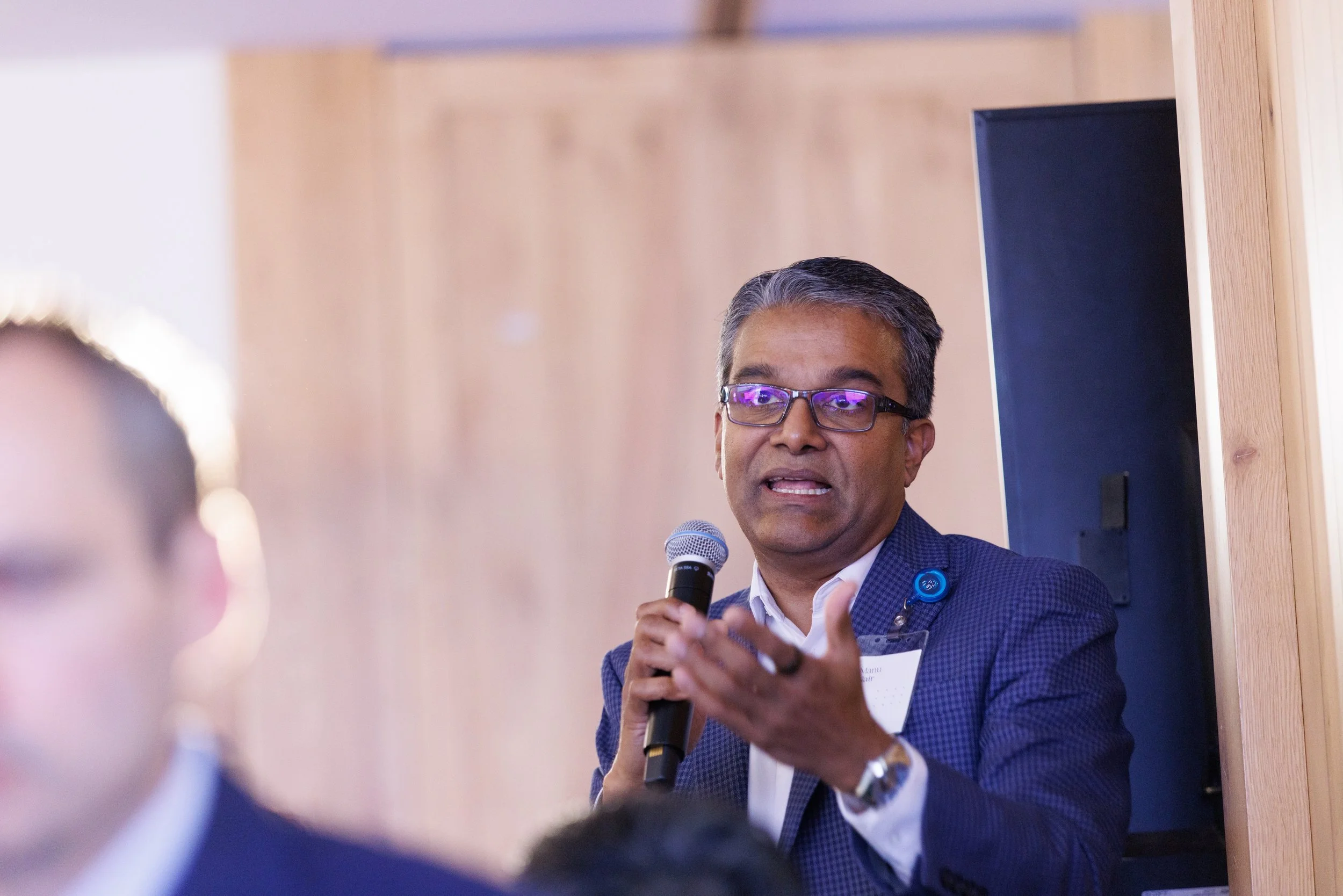
Manu from Mayo Clinic described a strategy aimed at pushing Mayo's expertise into communities so fewer patients get stuck cycling through the system. The ambition is essentially to put Mayo in every community.
Mayo chose K Health as its primary care partner after a broad evaluation. But it is deliberately avoiding dependence on any single vendor and is evaluating a second partner for its southern sites. Mayo is wary of point solutions and does not want to put all its eggs in one AI basket.
Mayo is also building a dedicated company to deliver fertility care at the community level, keeping complex IVF cases at its core facilities. It is exploring a single integrated pipeline linking primary and specialty care. And it faces a problem few would expect: Mayo is overwhelmed by the volume of data it receives. The challenge is not collecting more but identifying the targeted data that actually helps patients make decisions.
18. The Verdict on Clinical AI: "Inevitable."
No hedging. No caveats. Every panelist was all in.
When asked for their final sentiment on clinical AI, all three panelists were bullish without reservation. Bloomfield summed it up in a single word: inevitable.
The logic is hard to argue with. Medical knowledge was once estimated to double every 50 years. The figure cited on stage was that it now doubles in months. No individual clinician can keep up with that pace, no matter how talented or dedicated.
The panel was careful about what AI will and will not replace. It will not replace compassion. It will not replace clinical wisdom. What it will replace is memorization and pattern recall, the parts of medical training that once defined expertise. And it will extend care into regions and populations the current system has failed to reach.
The Five Fights This Panel Left Unresolved
The panel's value was not the consensus. It was the disagreements that remain open, and each could anchor its own piece of content.
The first is evidence versus momentum. Disruptors see consumer behavior already shifting. The system operator wants proof that prevention lowers costs. Who is right will decide where the next decade of investment goes.
The second is primary care versus specialty care. The industry bet heavily on primary care as the lever for cost control. Hereford argues the real money sits in specialist decisions, and the Oak Street valuation may prove to be the high-water mark of the primary care thesis.
The third is hospitals versus payers. One side points to 2% margins and 63-cent Medicaid rates. The other points to 250% of Medicare rates and 350% cost growth. Each blames the other for the affordability crisis, and patients are opting out of both.
The fourth is inflation versus deflation. If AI follows the path of every past health technology, it adds cost. If it replaces labor, referrals, and admissions, it could be the first technology to make healthcare cheaper.
The fifth is who owns the patient. When a ring sees more than a doctor, when a gym can host a primary care visit, and when patients pay cash rather than use their coverage, the relationship that health systems and insurers took for granted is suddenly up for grabs.
