
New RX






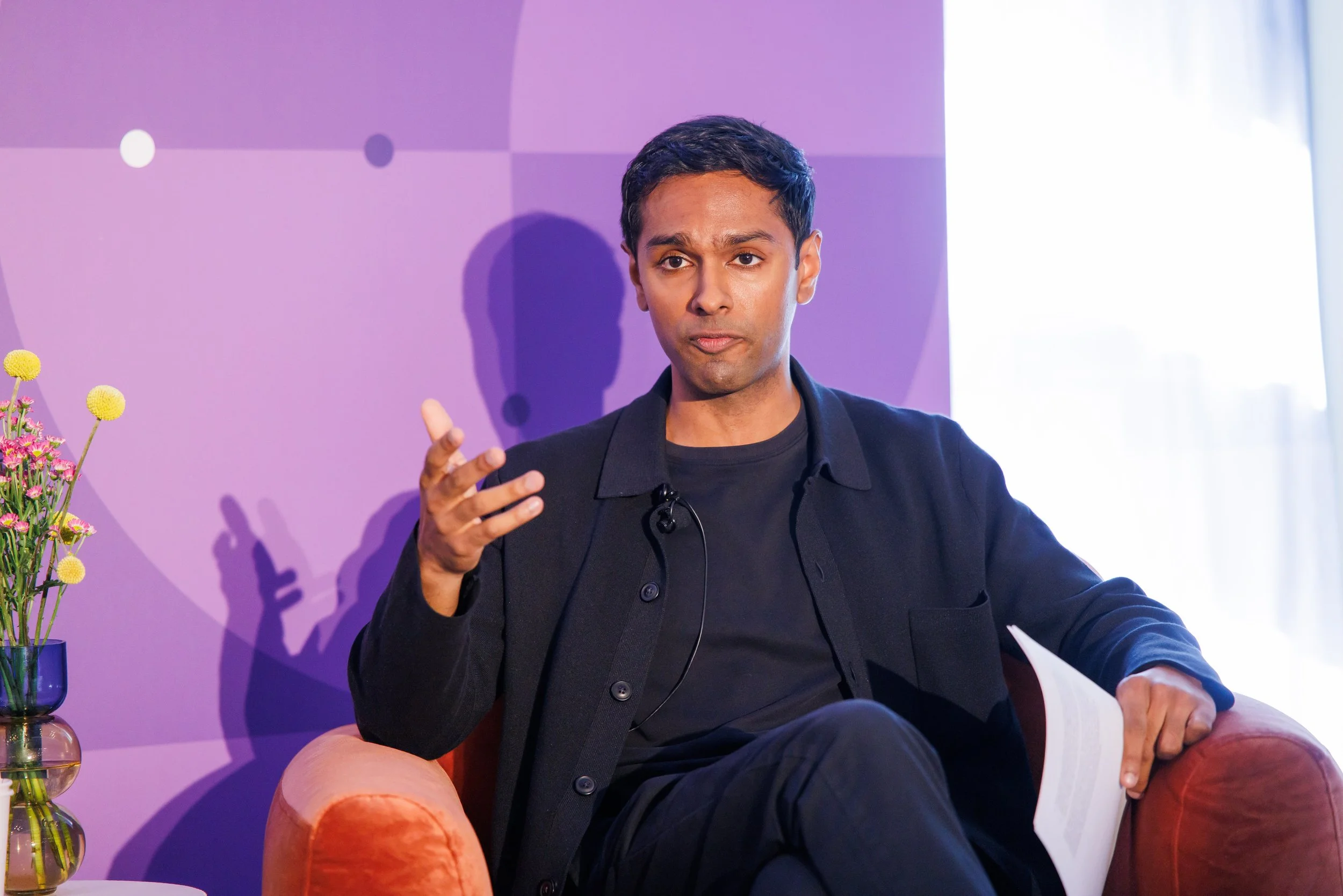
The New Rx: Takeaways from the Panel on Fragmentation, Pharmacy, and the Future of Coordinated Care
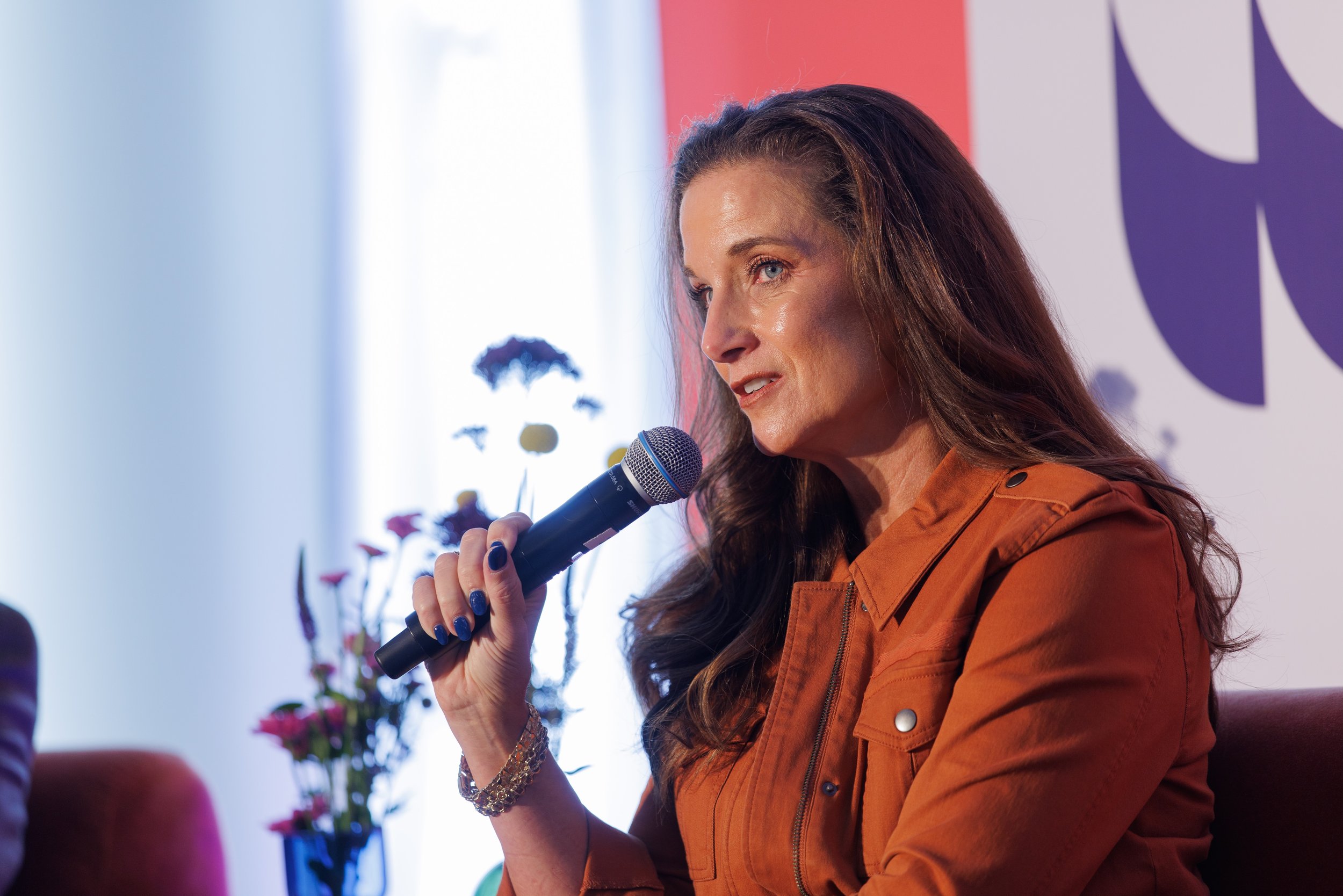
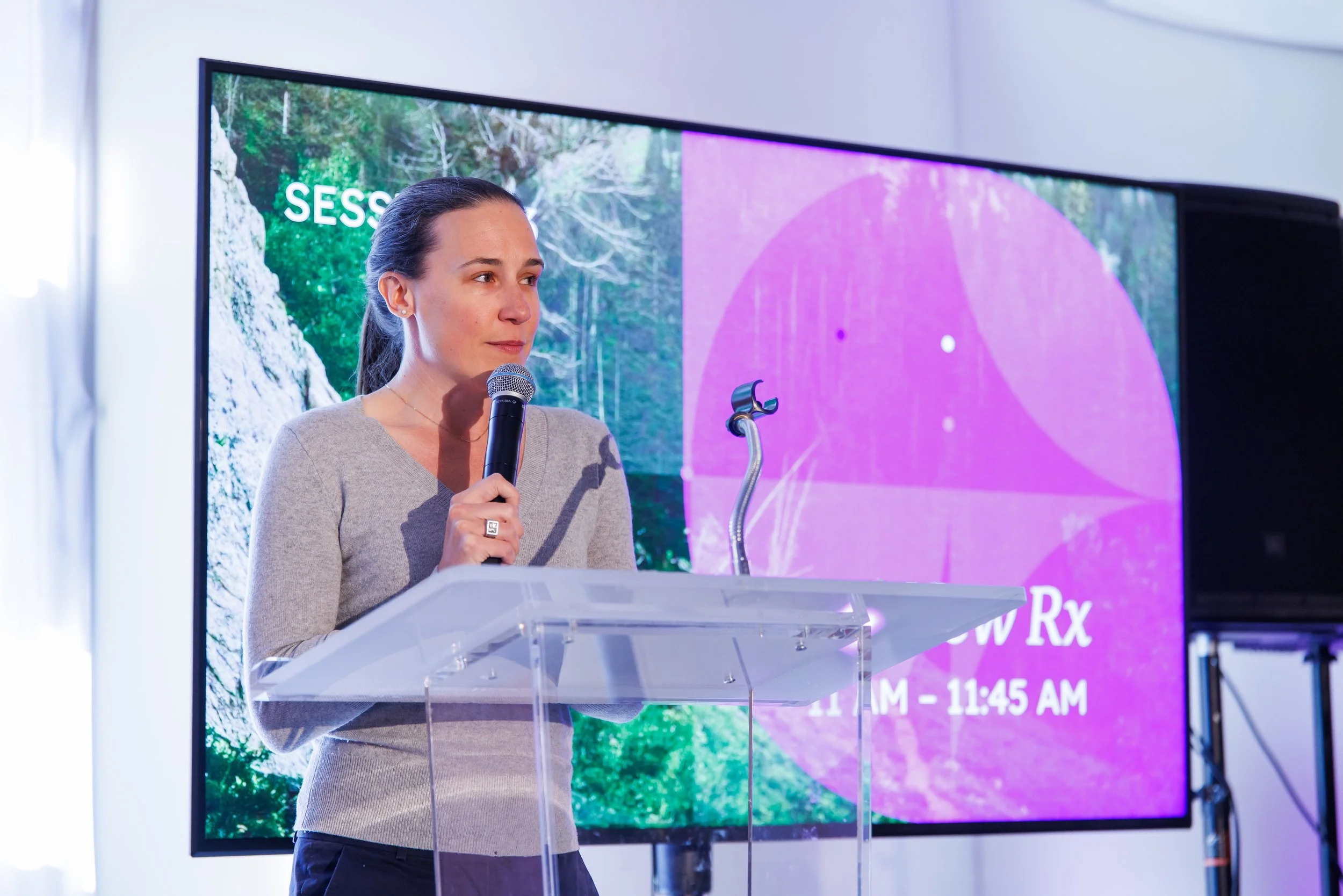
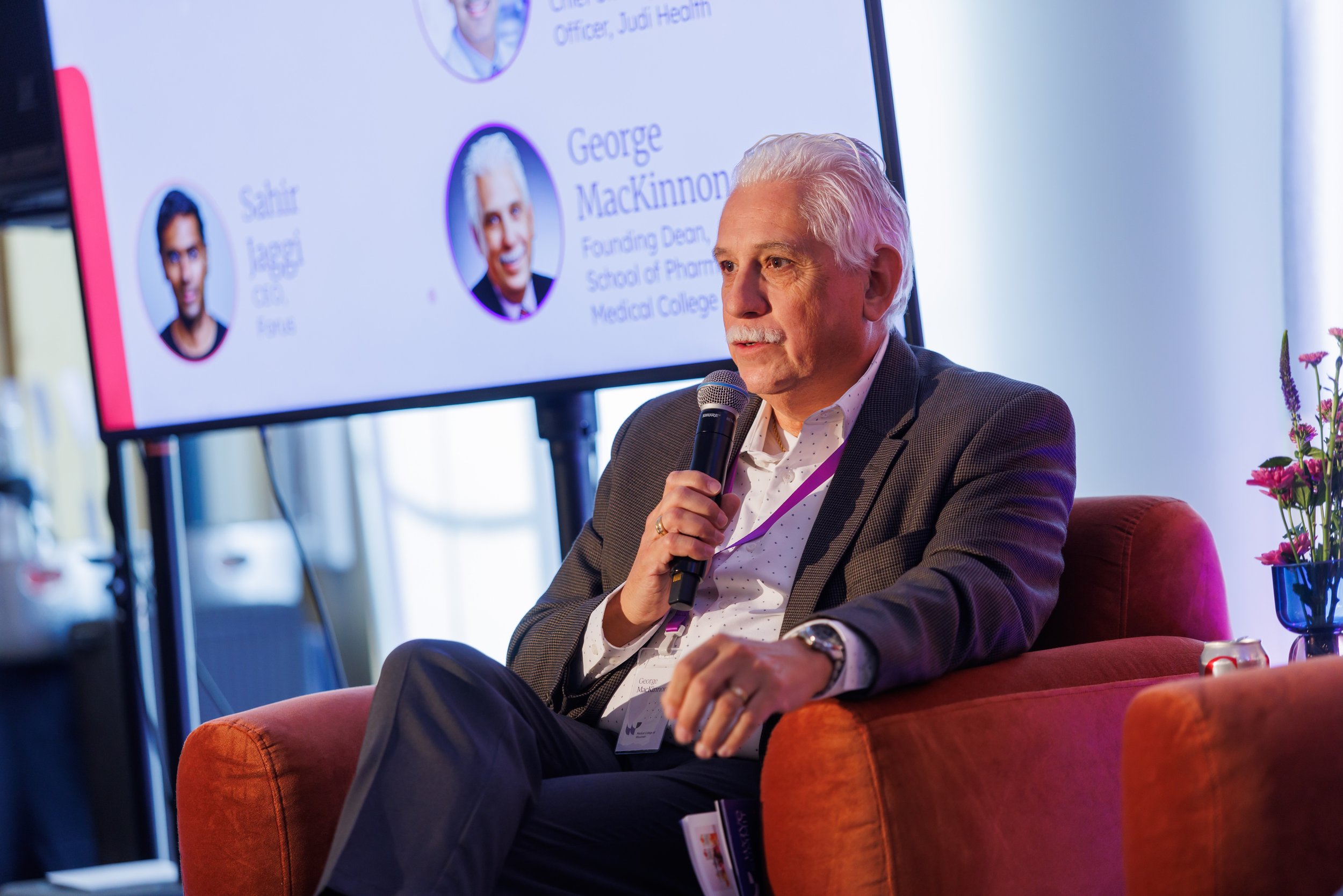
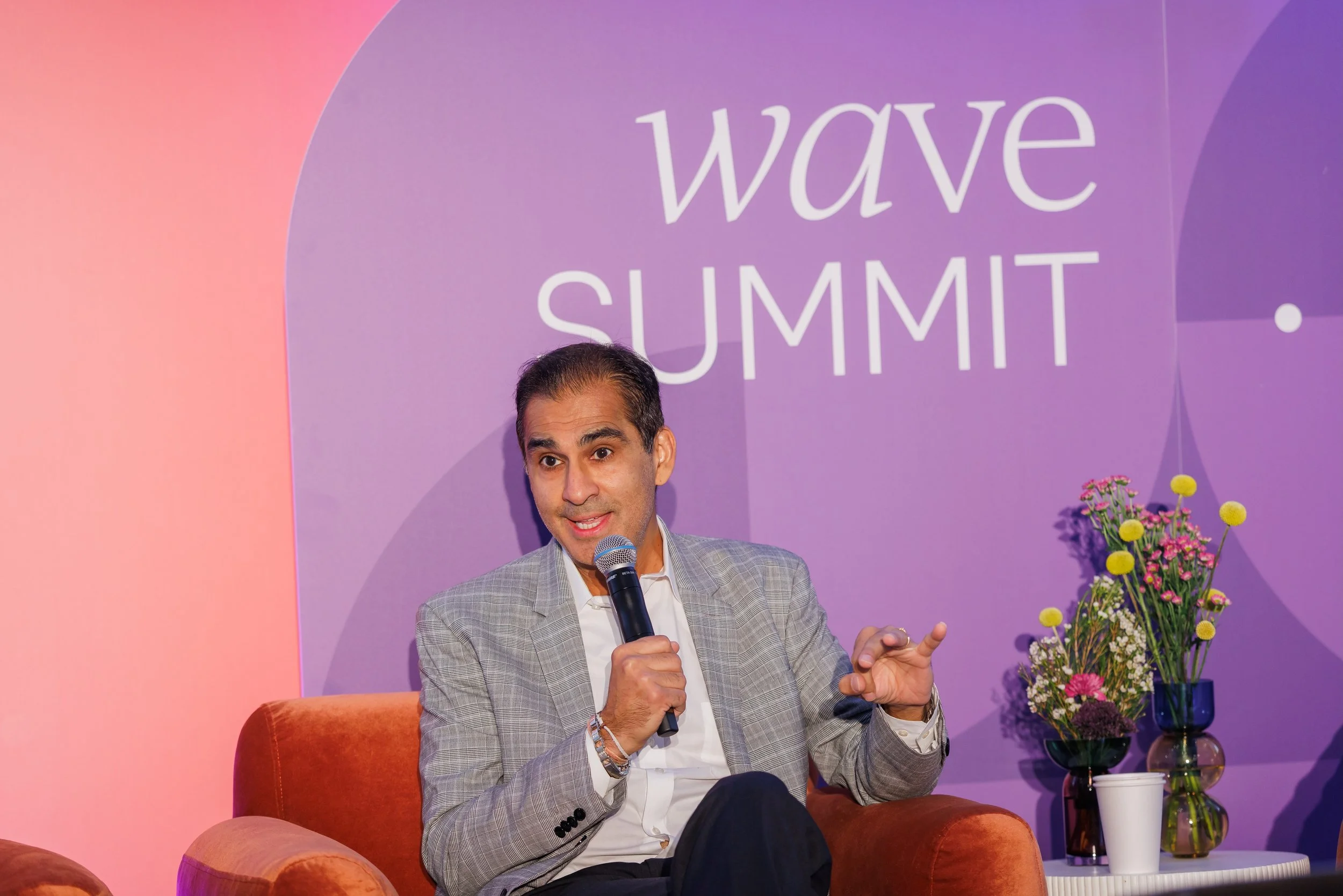
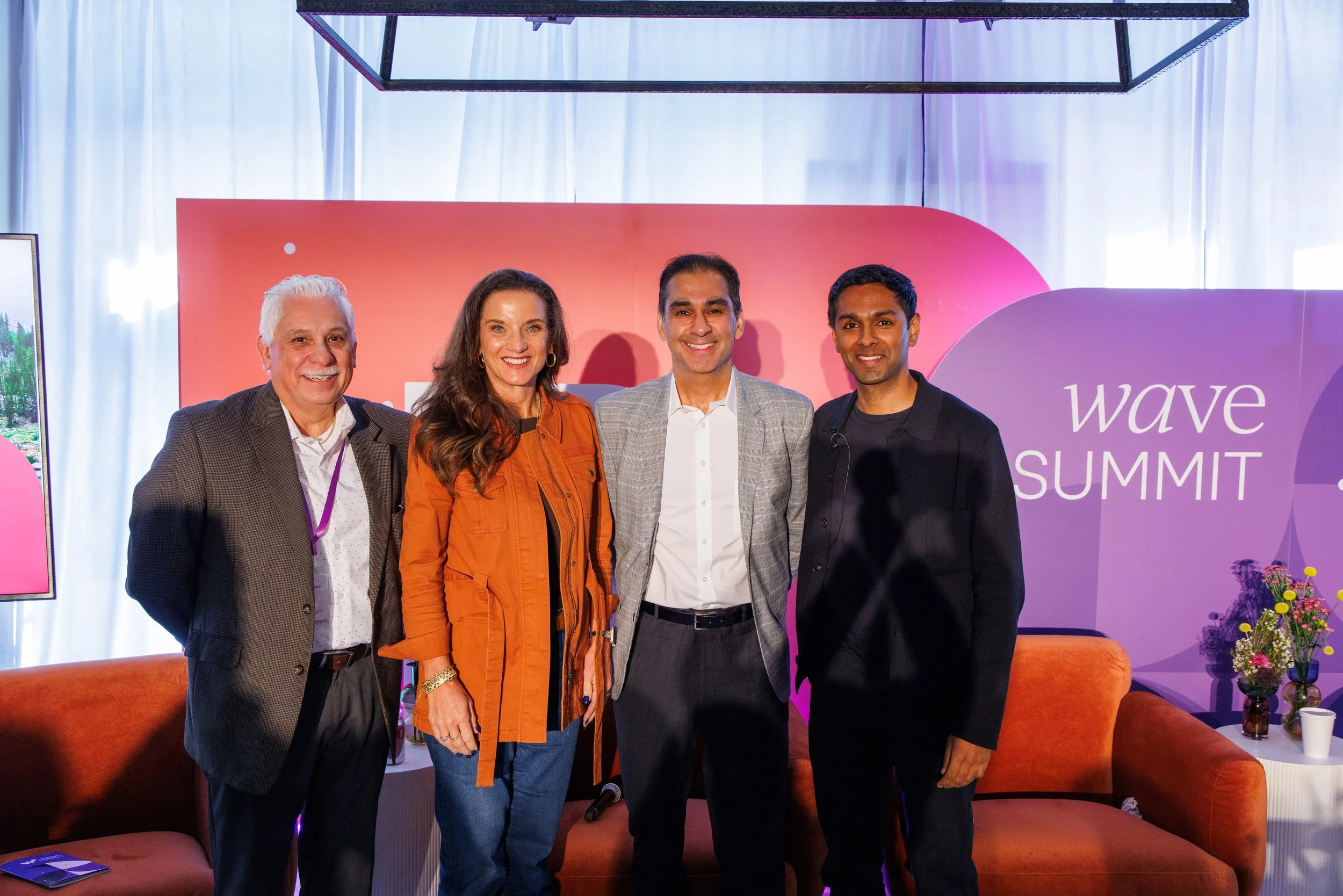
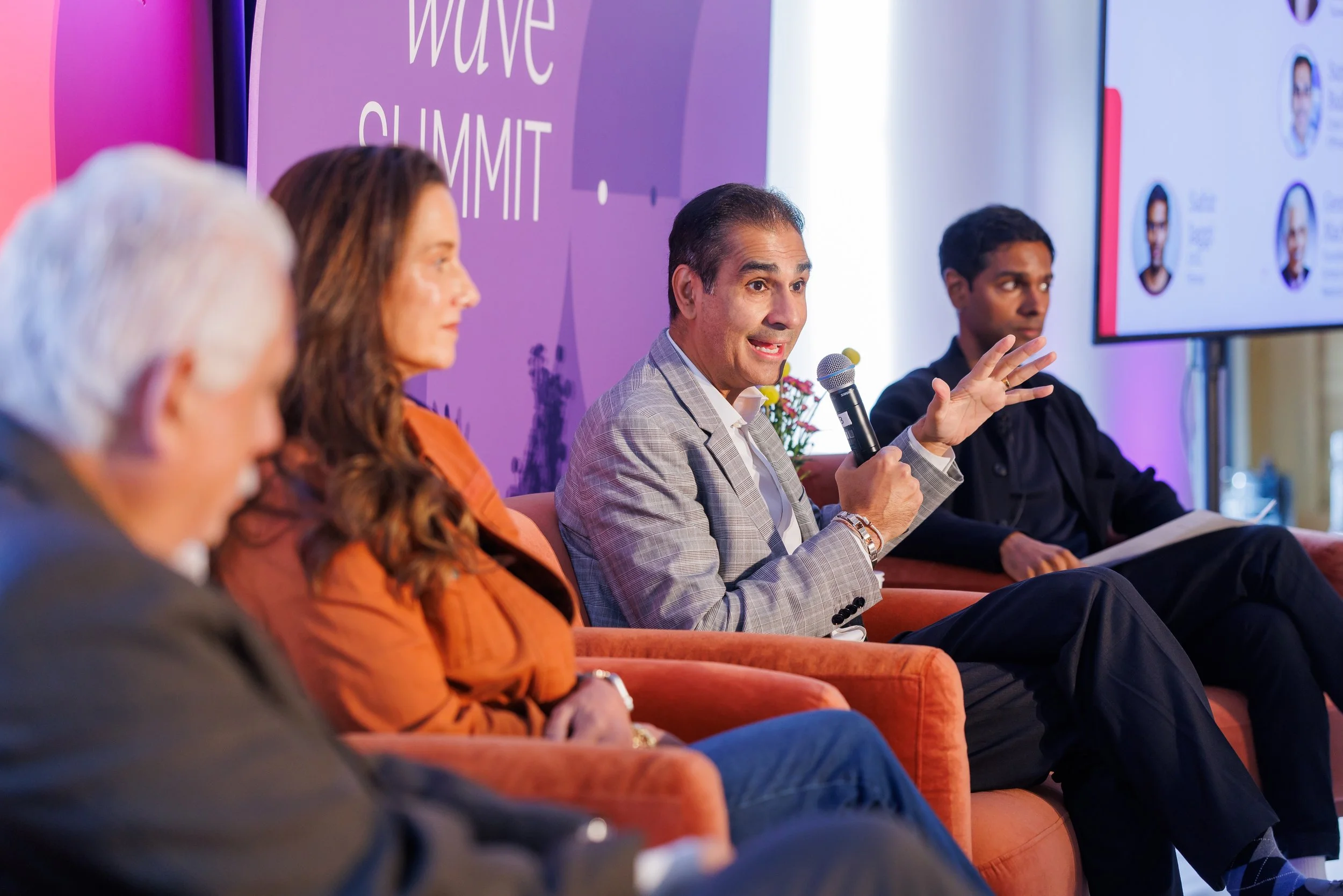
Sahir Jaggi (Moderator, CEO of Forus), Lynne Nowak (Surescripts), Sunil Budhrani (Chief Strategy and Medical Officer, Judi Health), George MacKinnon (Founding Dean, School of Pharmacy, Medical College of Wisconsin)
1. American Healthcare Doesn't Have a Talent Problem or a Technology Problem. It Has a Coordination Problem.
Sunil Budhrani opened bluntly: healthcare is "a trash can." That was a diagnosis, not a throwaway line. The industry has brilliant clinicians, sophisticated technology, and trillions of dollars moving through it, and it still fails patients every day. According to the panel, the reason is structural. Every player in the system, including PBMs, payers, providers, pharmacies, point solutions, and manufacturers, runs on a different business model, a different financial chassis, and a different data stack. Each one is optimizing for its own survival.
Lynne Nowak put the consequence plainly. You can walk into the best health system in the country and things will still go wrong, because the failure isn't inside the building. It happens in the handoffs between organizations. No single entity holds a complete view of a patient's cost or care trajectory, so no one is accountable for the full episode of care.
2. Your Health Data Is Being Held Hostage, and It's a Business Strategy
Budhrani named something the industry usually talks around: health systems, payers, and PBMs hold patient data hostage to retain patients and revenue. Your record often doesn't reach the health system next door. When you change employers, your history can effectively vanish into your old plan's systems.
This isn't a technical accident. Data lock-in keeps patients from leaving. It protects market share and turns information that should belong to the patient into leverage for the institution.
The downstream effect is what Nowak called the "overportalized" patient. You have a patient portal for your hospital, another for your specialist, a PBM portal, a health plan portal, and perhaps a manufacturer's app. Each one holds a fragment of your story, and none of them talk to each other. The patient is left as the integration layer, the one person expected to carry information across a system that was designed to keep it apart.
3. One Claim Becomes Two Universes, and About 10 Vendors Take a Cut
One of the most concrete structural points was how a single patient encounter splits in two. Once care happens, medical claims and pharmacy claims go into separate universes, adjudicated by different entities with different data. Between claim generation and payment, roughly ten vendors each take a cut.
This matters more every year. About 19% of specialty drug spend is now embedded in the medical benefit, which makes it invisible to the pharmacy side. That creates blind spots in formulary management, cost modeling, and patient counseling. The organization managing your drugs may not know about a significant share of the drugs you're actually on.
Nowak underscored why the two sides need to work together: medical and pharmacy claims together are what let you triage diseases and understand outcomes. Apart, each tells half a story.
Judi Health (formerly CapitalRx) was presented as proof that a unified approach is operationally achievable. It built what the panel described as the first single-instance platform processing both medical and pharmacy claims. That enables drug-disease correlation and real-time cost visibility at the point of care. It runs on a flat-fee model and is agnostic to pharmacy network and rebate aggregator, which removes the financial conflicts that distort decisions elsewhere. It has replaced a major Blues plan's existing setup as that plan's TPA and layered clinical vendors on top.
4. We Assume the Prescription Is Right. It Often Isn't.
George MacKinnon made what may have been the most unsettling point of the panel. The whole system runs on the assumption that providers write the correct prescription, and that assumption is often wrong.
The pharmacist is supposed to be the safety net, but the net has holes built into it. Most prescriptions carry no diagnosis code. Pharmacists at roughly 60,000 pharmacy locations lack EMR access, with integrated systems like Kaiser the notable exception. So the clinician with the deepest drug expertise in the chain is often asked to check a prescription without knowing what it's for.
The cost is enormous. The panel cited roughly $560 billion a year in adverse medication effects, which it described as largely uncompensated and preventable.
5. Prior Authorization Can Take 30 Seconds. The Obstacle Isn't the Technology.
Lynne Nowak described what's now possible through Surescripts, which operates as a kind of national utility connecting about 2.3 million providers, PBMs, and pharmacies and handling more than 30 billion transactions a year.
Real-time prior authorization is now technically achievable. PBM criteria and EHR clinical data can be assembled in under 30 seconds, and the approval goes straight to the pharmacy, so the drug can be pre-approved for pickup before the patient leaves the office. The process it replaces took 6 to 10 days and caused many patients to abandon their prescriptions altogether.
Real-time prescription benefit checks go further. They surface cost, copay, and formulary alternatives inside the EMR at the moment of prescribing, so the physician has cost context before the prescription is written, not after the patient is surprised at the counter. As Nowak noted, EMR data is real-time while claims data lags, so moving information to the point of care is where value lives.
The bottleneck is not PBM automation. It's EHR connectivity. Every Epic instance has to be connected individually, which the panel called "one at a time, a slog." FHIR server access varies widely by EHR vendor, and there's no standardized on-ramp. Until that changes, real-time tools will remain patchy.
6. GLP-1s Are a Live Stress Test, and the System Is Failing a Key Part of It
GLP-1s may be the clearest window into the tension shaping healthcare right now. MacKinnon cited a 2026 JAMA study finding that about 67% of GLP-1 patients had no provider contact before receiving a prescription. That raises serious concerns about adherence, safety, and care coordination at scale.
Meanwhile, access is expanding fast. The panel discussed the Medicare GLP-1 Bridge Program, $50 a month flat for obesity treatment, running through 2027, with CMMI working alongside CoverMyMeds on access and policy coordination. Springtide is seeing strong physician and patient uptake, an early sign of how much demand exists at accessible prices.
Direct-to-manufacturer models, such as Lilly's direct channel, get drugs to patients faster and cheaper. But those prescriptions often don't link back to the EHR. The patient's physician may not know they're on the drug. The longitudinal record breaks.
Budhrani framed it as a balance: consumerism benefits individual patients, while EHR-connected care benefits the system as a whole. Right now, the market is trading one for the other.
7. The Pharmacist Is the Most Underused Clinician in America
Moderator Sahir Jaggi raised the question directly: as AI and automation move dispensing toward remote models, what should pharmacists actually be doing?
MacKinnon's answer was a reimagined role with far more clinical responsibility. The infrastructure is already there: about 90% of Americans live within 5 miles of a pharmacy. What's missing is recognition and scope. Pharmacists are not recognized as Medicare providers federally. Only about 10 states recognize them under Medicaid, where reimbursement can reach up to 85% of the physician rate. MacKinnon argued for pushing at the state level and expanding pharmacist scope to manage conditions like diabetes and asthma, which would take real pressure off overloaded health systems.
In advanced systems, the shift is already underway: hypertension management, diabetes counseling, smoking cessation, and heart failure clinics. The panel described it as moving from pill-counting to panel management. The UNC model connects physicians, NPs, and pharmacists through rural community hubs, although infrastructure and EMR access remain obstacles to scaling outside metro areas.
8. Spending More on Drugs Can Mean Spending Less on Healthcare
MacKinnon shared that as a pharmacist, one example cut against the usual cost-control instinct. Thrifty White's medication synchronization program raised prescription costs, but medical spend fell and CMS star ratings improved. The net result was a win.
The lesson is that optimizing pharmacy spend in isolation can make total spend worse. When patients take their medications consistently, they end up in the hospital less. A system that only looks at the pharmacy line item will cut exactly the programs that save the most money.
This is also why the payment model is shifting from dispensing revenue toward clinical service reimbursement. Outcomes-linked pharmacy payment is not just a nice idea; the panel presented it as viable and measurable.
9. AI Should Be the Patient's Advocate, with a Human Still Accountable
The panel was optimistic about AI, but with conditions. Nowak argued that data and technology have to be the pillars of coordination, and that AI is needed to help fix the problem, but there must always be a human in the loop for accountability.
The vision is AI as a patient advocate: models and agents absorbing administrative complexity so patients and physicians can focus on decisions rather than paperwork. MacKinnon noted that AI has already empowered patients with visibility into the cost of care and where to go, giving them more agency over their own health decisions.
10. Health Systems Are at Risk of Losing the Patient Relationship, Permanently
The strategic conclusion for health systems was sharp. Manufacturers, PBMs, and direct-to-consumer platforms are all competing for the patient relationship, and health systems that don't act risk losing it for good.
The panel's playbook starts with owning your data infrastructure: making internal data accessible, shareable, and interoperable before layering on AI or point solutions, and opening connections across the hundreds of technologies running through every hospital. From there, health systems can recapture patients going direct-to-digital by offering what digital-only players can't: seamless inpatient-to-outpatient transitions with continuity of record, connected pathways from IV to self-administered therapy that don't break the care relationship, and accessibility that competes with digital options while keeping clinical rigor.
